
 marisa@humanist.africa

PROJECT
Accelerating System Adoption with Self-Determination Theory
Objective: Absa Bank, with a workforce of over 8,000 employees, embarked on a system overhaul to implement a new C1 system across the organization. The goal was to enhance workflow efficiency and drive higher engagement and utilization of the new system. Comprehensive training was provided to ensure smooth adaptation and successful implementation across all departments.
For full case study please get in touch
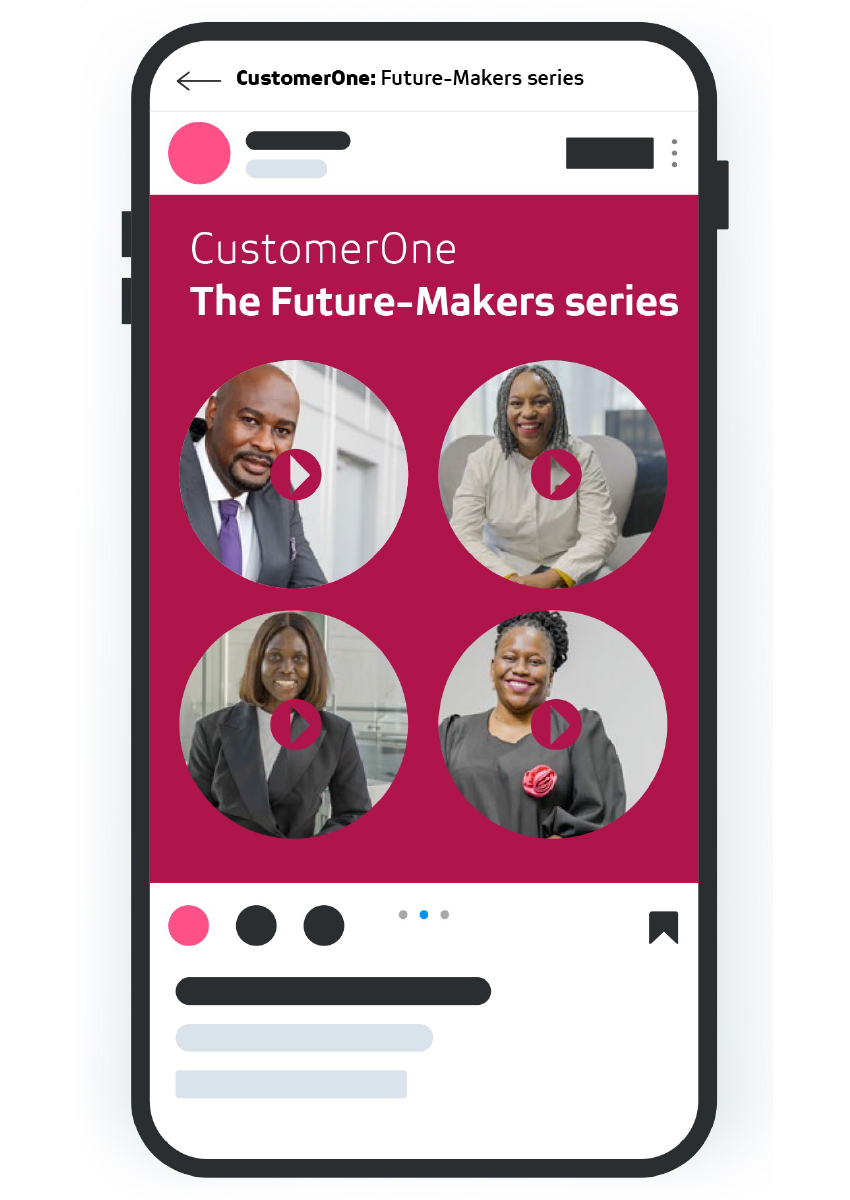
Our approach:
Solution: Humanist Company applied Self-Determination Theory (SDT)—a meta-theory emphasizing intrinsic motivation and autonomy—combined with social proofing, linguistics, human storytelling, and the COM-B Model (Capability, Opportunity, Motivation – Behavior) to drive faster and more effective system adoption.
The strategy focused on enhancing intrinsic motivation and creating an environment where employees felt empowered to embrace the changes. It also leveraged social influence and behavioral insights to influence their actions.
Key components of the solution included:
Self-Determination Theory (SDT): By focusing on autonomy, competence, and relatedness, the approach empowered employees to see the system change as a personal and professional growth opportunity. Employees were encouraged to take ownership of their learning and decision-making, fostering intrinsic motivation to adopt the system.
Social Proofing: Social proofing was applied by showcasing early adopters and positive stories from peers who had successfully integrated the new system into their daily workflows. This strategy highlighted relatable examples and built trust in the new system, encouraging others to follow suit.
Linguistics and Human Storytelling: Communicative strategies included narrative-driven content and linguistic cues that framed the system change as a positive, collaborative shift rather than a forced transition. Personal stories of employees successfully navigating the new system were shared across internal communication channels, helping to humanize the change and resonate emotionally with employees.
COM-B Model: To ensure employees had the capability and opportunity to adopt the system, Humanist utilized the COM-B Model to design targeted interventions. This included enhancing system training, offering accessible resources, and creating an environment conducive to learning and growth. Motivation was reinforced through frequent communication and recognition of early successes.
Communication Strategy: A multi-channel communication approach was employed, delivering consistent messaging that combined motivational stories with practical demonstrations. This helped bridge the gap between understanding the system and actively using it.
Employee Engagement: Workshops, webinars, and interactive platforms were designed to help employees feel supported throughout the transition and provide them with the tools to integrate the new system seamlessly into their roles.
Continuous Feedback Loop: Regular surveys and feedback sessions were used to measure employee sentiment and track system adoption. This data was then used to refine the approach, ensuring that any obstacles were addressed in real time.
Impact stats
40%
Increase in System Adoption: The behavioral strategy led to a 40% increase in adoption rates, surpassing expectations for system uptake.
POSITIVE
Boosted Employee Morale: Focusing on intrinsic motivation and self-determination resulted in higher employee satisfaction and confidence with the new system.
+USAGE
Accelerated Integration: The use of social proof and storytelling facilitated faster adoption, ensuring smoother and quicker integration across the organization.